All Categories
Featured
Managing Southern California Regional Facilities for Sust...

Upcoming Sustainability Disclosure for Regional Assets
Implementing Drought-Resistant Services for SOCAL
Table of Contents
Active execution of Oregon's program began in 2025, while the state law also faced legal challenges that will continue well into 2026. Services operating in or selling into states with new or anticipated product packaging EPR laws will need to keep an eye on these developments, consisting of the Oregon lawsuits, which may have ramifications for other states' programs.
Closely tied to EPR are mandates for minimum recycled material that need particular portions of recycled products in packaging, especially plastic product packaging, by certain dates. Such requireds are on the rise, consisting of in multiple U.S. states and under the EU's PPWR, which will largely go into result on August 12, 2026.
Circular economy developments such as these will continue to challenge businesses to exceed standard compliance and shift towards vital technique development to develop functional strength. The sheer volume of required ESG information management and analysis has outpaced manual processing and basic spreadsheets for lots of business. In 2026, leading legal and sustainability teams are embracing or planning to embrace agentic AI systems to handle compliance and automate XBRL tagging for digital filings.
Top Strategies for ESG Success in California Greenspaces
: Monitoring AI tools utilized in the "social" pillar (such as working with or supplier choice) to guarantee they do not reproduce historic predispositions, which might set off diverse impact claims.: Using AI to recognize and assess ESG and sustainability marketing claims and cross-reference them against appropriate requirements and real-time supply chain data to avoid greenwashing claims.
Landscape Maintenance ServicesMore usually, companies will continue to be challenged to show strong AI governance through unified governance architectures. This publication is meant for general informative functions only and does not make up legal guidance or a solicitation to offer legal services. The information in this publication is not planned to produce, and receipt of it does not constitute, a lawyer-client relationship.
The views and viewpoints revealed herein represent those of the private author(s) only and are not necessarily the views of Clark Hill PLC or Clark Hill Solicitors LLP. We try to make sure that posts on our site are total, precise, and up to date, we presume no responsibility for their completeness, accuracy, or timeliness.
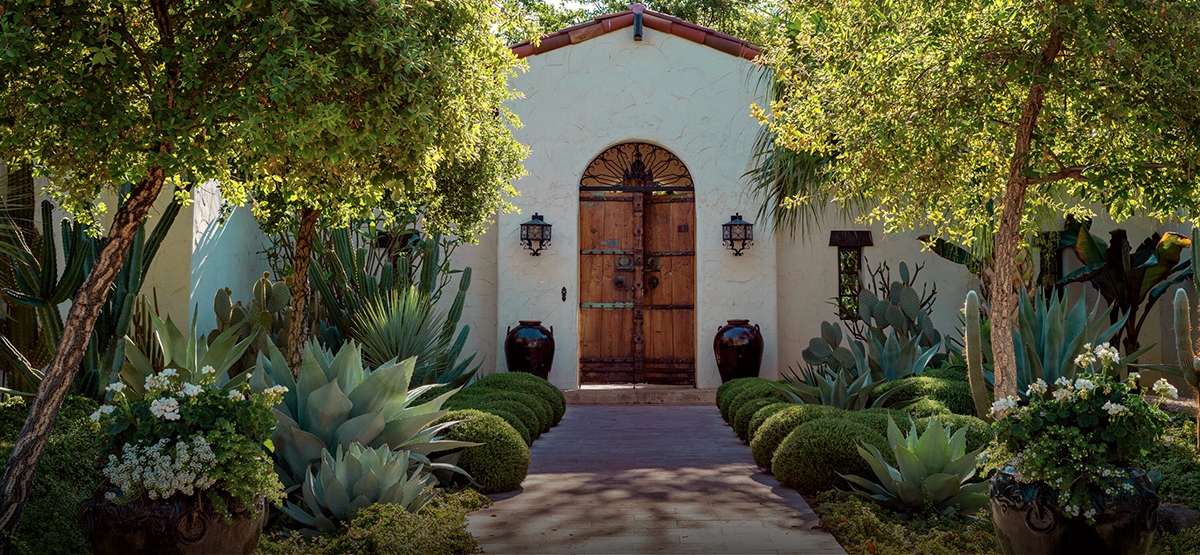
What does the future of landscaping appear like when water can no longer be considered given? As water scarcity continues to shape California's landscapes, the way we create, plant and build requirements to develop. At FutureScape U.S.A., join our panel for Waterwise by Design: Rethinking Gardens for the Future Climate, a conversation checking out how we can produce lovely, resilient landscapes while utilizing considerably less water, or even none at all.
Landscape Maintenance ServicesNavigating 2026 ESG Landscape Reporting Frameworks
September 1, 2026 1:00 PM Barker Garage, Santa Monica The environment is altering. How we develop for it has to change too.

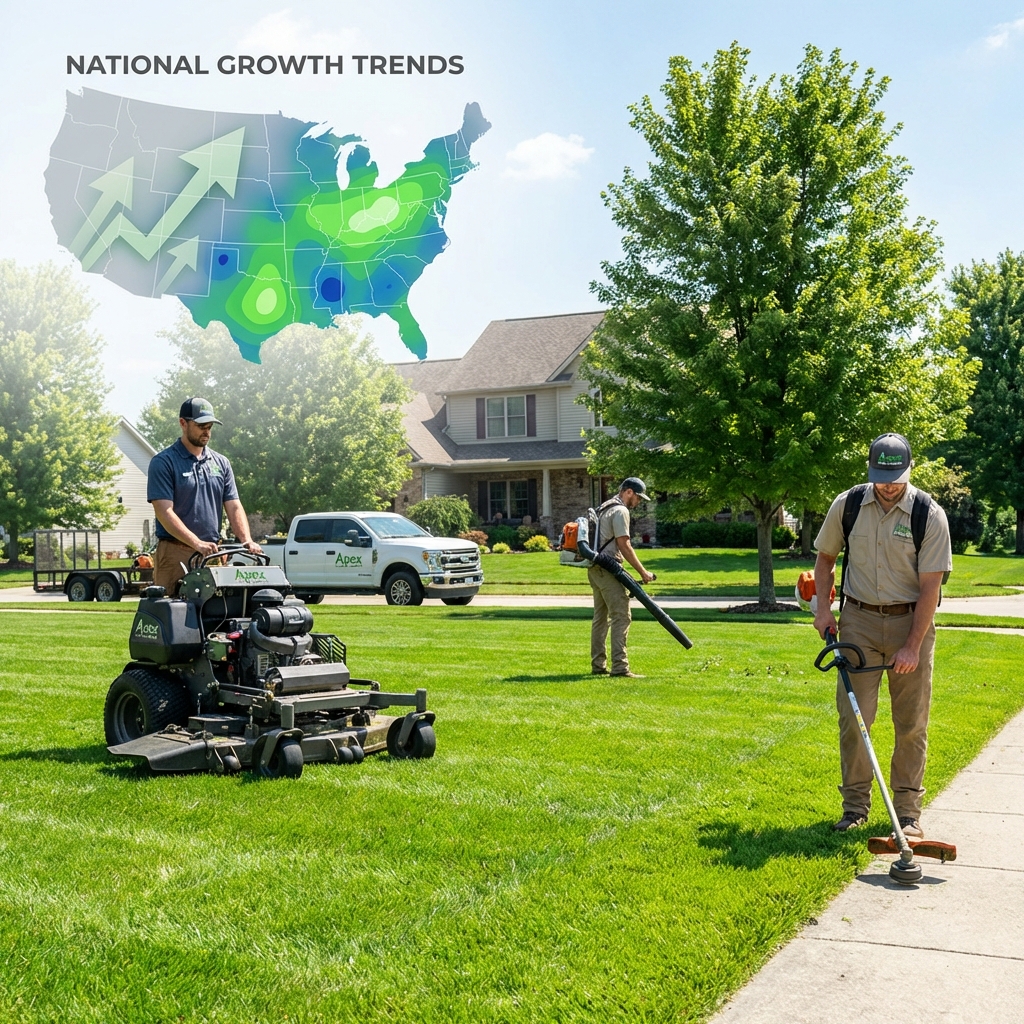
The Landscaping Solutions industry in the United States runs under the NAICS industry code 56173. This industry mainly offers landscape care and upkeep services, including planting trees, shrubs, flowers, lawns or gardens. Market business might likewise create landscape strategies or construct pathways, maintaining walls, decks, fences, ponds and similar structures.
Related terms covered in the Landscaping Providers market in the United States consist of yard service, shrub service, tree service, outsource, arborist, pesticide, herbicide, mulch and fertilizer. Products and services covered in Landscaping Solutions market in the United States include Maintenance and general services, commercial, Maintenance and basic services, property and Design-build-installation services.
Sustainable Operations At SOCAL Industrial Facilities
The Efficiency chapter covers detailed analysis, datasets, in-depth current efficiency, sources of volatility and an outlook with projections for the Landscaping Solutions industry in the United States. Concerns answered in this chapter include what's driving current market performance, what influences market volatility, how do effective organizations get rid of volatility, what's driving the market outlook.
The Products and Markets chapter covers in-depth product or services division and analysis of major markets for the for the Landscaping Services market in the United States. Questions addressed in this chapter include how are the industry's products and services carrying out, what are developments in industry products and services, what products or services do successful organizations use and what's influencing demand from the market's markets.

Latest Posts
Navigating 2026 Regional Landscape Regulations

Managing Southern California Regional Facilities for Sustainability

Is Service Quality Via Regional Hubs